

Top 5 Toilet Problems & Solutions

Stephens Plumbing
April 10, 2015
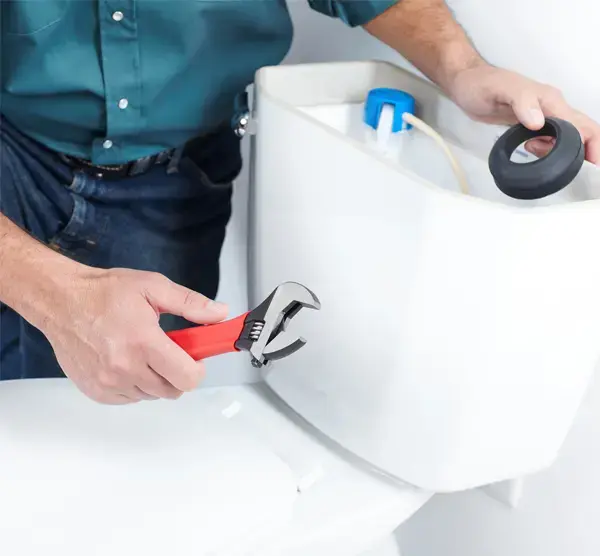
Summary:The most common toilet problems and solutions involve replacing a deteriorated flapper to fix toilet tank leaks, adjusting the fill valve to stop dripping toilets, clearing the syphon jet of calcium buildup to resolve weak flushing, and replacing the wax ring to stabilize a wobbling toilet base. While minor adjustments are DIY-friendly, recurring issues often require professional diagnosis.
A malfunctioning toilet is one of the most stressful disruptions a homeowner or property manager can face. Whether it is an incessant dripping sound keeping you awake or a stubborn clog threatening to overflow, plumbing issues demand immediate, effective solutions.
Since 1986, Stephens Plumbing has been the trusted name for resolving these exact crises. As a three-generation, family-owned business with over 1,000 positive Yelp reviews, we understand the unique plumbing challenges faced by residents in Southern California. From the damaging effects of regional hard water to aging infrastructure, our 40 years of expertise allow us to diagnose and resolve issues swiftly. This comprehensive guide will help you understand the root causes of your toilet troubles, walk you through basic troubleshooting, and clarify exactly when it is time to call in the professionals.
How To Identify Your Toilet Issues
To effectively troubleshoot your bathroom plumbing, you must first understand the basic mechanics of a flush cycle. When you press the handle, the Flush Valve lifts the Flapper, allowing water to rush into the bowl. As the tank empties, the flapper seals shut, and the Fill Valve activates to refill the tank, while the Overflow Tube prevents accidental flooding.
When one of these components fails, specific symptoms arise. Read on to match your toilet's symptoms with the most likely culprit.
Constant running water
Likely Culprit:Deteriorated Flapper
Recommended Solution:Replace the flapper to restore the watertight seal.
Dripping sound after flush
Likely Culprit:Faulty Fill Valve
Recommended Solution:Adjust the float arm or replace the fill valve assembly.
Weak or incomplete flush
Likely Culprit:Clogged Syphon Jet / Hard Water
Recommended Solution:Clean the jet hole and rim holes to remove calcium buildup.
Water pooling at the base
Likely Culprit:Failing Wax Ring
Recommended Solution:Remove the toilet and install a new wax ring immediately.
Random, unprompted flushing
Likely Culprit:Flapper / Flush Valve Seal
Recommended Solution:Clean the flush valve seat and replace the flapper.
1. Weak Flushing Caused by Hard Water Deposits
If your toilet bowl swirls lazily but fails to clear waste, you are experiencing weak flushing. While a partial clog is sometimes to blame, the most common cause in Southern California is calcium buildup restricting water flow.
According to three generations of service data from Stephens Plumbing, the specific hard water profile in Orange County and the South Bay accelerates the deterioration of internal plumbing components and rapidly clogs the syphon jet—the primary hole at the bottom of the bowl that pushes waste into the trapway. When hard water deposits calcify over this jet and the rim holes, your toilet loses its flushing power.
To dissolve these stubborn mineral deposits, professionals sometimes use a highly diluted Muriatic Acid solution (1:10 ratio of acid to water). However, this is a hazardous chemical process that requires strict adherence to safety protocols.
Mandatory Safety Steps for Muriatic Acid Treatment:
- Wear full Personal Protective Equipment (PPE), including thick rubber gloves, safety goggles, and a respirator mask.
- Ensure maximum bathroom ventilation by opening all windows and running the exhaust fan.
- Turn off the water supply and flush to empty the bowl completely.
- Carefully pour the 1:10 diluted acid mixture into the overflow tube using a funnel.
- Allow the solution to sit for no more than 30 minutes to dissolve the calcium buildup.
- Turn the water back on and flush multiple times to thoroughly rinse the system.
Note: Due to the extreme risks of chemical burns and porcelain damage, Stephens Plumbing highly recommends having a licensed professional perform any acid-based descaling.
2. The "Full Bowl" and Hidden Toilet Tank Leaks
The most common cause of a toilet that constantly runs or randomly fills is a worn-out flapper that is allowing water to slowly leak from the tank into the bowl.
Hidden toilet tank leaks are notorious for wasting thousands of gallons of water a month, silently driving up your utility bills. Over time, the rubber flapper warps, blisters, or hardens—often exacerbated by drop-in bleach tablets or hard water—destroying the watertight seal over the flush valve.
To confirm if a degraded flapper is the source of your leak, perform the food coloring test:
- Remove the toilet tank lid.
- Drop 5 to 6 drops of dark food coloring (blue or red works best) directly into the tank water.
- Do not flush the toilet. Wait 5 to 10 minutes.
- Check the toilet bowl. If the water in the bowl has changed color, you have a confirmed flapper leak.
Replacing a flapper is a straightforward DIY fix. Turn off the water supply, flush to drain the tank, unhook the old flapper from the pegs on the overflow tube, and attach a new one. Ensure the chain has a slight amount of slack (about half an inch) so the flapper can drop fully into place.
3. How Do I Stop My Toilet Dripping?
To stop a dripping toilet, you must adjust the float on your fill valve to lower the water level, or replace the fill valve entirely if the internal seals are worn out.
Dripping toilets are a frequent source of frustration. If you hear a continuous dripping or hissing sound long after the flush cycle has completed, the fill valve is likely improperly set or failing. When the water level is set too high, water constantly spills over into the overflow tube, causing the fill valve to run continuously to compensate.
First, try adjusting the float arm or adjustment screw on the fill valve counterclockwise to lower the water level. The water should stop filling about one inch below the top of the overflow tube. If the dripping persists, the fill valve itself is defective and requires replacement.
How to Replace a Fill Valve:
- Shut off the water supply valve at the wall.
- Flush the toilet and sponge out any remaining water in the tank.
- Disconnect the water supply line from the bottom of the tank using an adjustable wrench.
- Unscrew the locking nut holding the old fill valve in place and remove the unit.
- Insert the new fill valve, hand-tighten the locking nut, and reattach the supply line with your wrench (do not overtighten).
- Turn the water back on and adjust the new float to the proper height.
4. Stubborn Toilet Clogs and Low Pressure
Stubborn toilet clogs occur when excess toilet paper, non-flushable wipes, or foreign objects become wedged in the trapway, a problem often compounded by low water pressure.
Before reaching for harsh chemical drain cleaners—which can damage your pipes and porcelain—try the dish detergent and hot water method. Pour half a cup of liquid dish soap into the bowl, followed by a gallon of very hot (but not boiling) water. Let it sit for 20 minutes. The soap acts as a lubricant, often allowing the hot water to push the softened clog through the system.
If the clog persists, you will need mechanical intervention. Understanding which tool to use is critical:
- Use a Flange Plunger when:The clog is minor, consisting of organic waste and toilet paper, and is located close to the bowl opening. The plunger relies on hydraulic pressure to dislodge the blockage.
- Use a Closet Auger when:The clog is dense, caused by foreign objects (like toys or wipes), or located deeper in the trapway.
A closet auger is a specialized plumbing tool designed specifically for toilets. It features a protective rubber sleeve that prevents the metal snake from scratching the porcelain bowl. To use it, insert the auger cable into the trapway and crank the handle clockwise. The coiled head will either break up the obstruction or snag the foreign object so you can pull it out.
5. Expansion: Phantom Flushes and Wobbling Bases
Beyond clogs and drips, homeowners often encounter two highly disruptive issues: the phantom flush and the wobbling base.
Definition:A Phantom Flushis a plumbing phenomenon where a toilet seemingly flushes itself without the handle being pressed. This occurs when a slow, silent leak drains the tank water into the bowl until the water level drops low enough to trigger the fill valve to automatically turn on and refill the tank.
As established, replacing the flapper or cleaning the flush valve seat usually cures a phantom flush. However, a wobbling toilet base is a much more severe structural issue.
If your toilet shifts or rocks when you sit on it, the wax ring beneath the toilet has likely broken its seal, or the closet flange securing the toilet to the floor is cracked. A failing wax ring is a plumbing emergency. Even if you do not see water pooling around the base, wastewater is likely leaking beneath the flooring every time you flush. Left unaddressed, this will cause catastrophic sub-floor water damage, rot the floor joists, and create severe mold issues. A wobbling toilet base requires immediate removal of the toilet, inspection of the flange, and installation of a new wax ring.
DIY vs. Professional Plumbing Repairs: When to Call Stephens Plumbing
While replacing a flapper or plunging a minor clog are excellent DIY weekend projects, plumbing systems are complex, and mistakes can lead to expensive water damage. Knowing when to step back and call an expert is crucial for protecting your property.
Signs You Need to Hire a Plumber Immediately:
- Sub-floor Leaks:If your toilet wobbles, or if you notice soft flooring, ceiling stains below the bathroom, or a persistent sewage odor.
- Main Line Clogs:If water backs up into your shower or bathtub when you flush the toilet, the blockage is in your main sewer line, not just the toilet.
- Recurring Clogs:If you are plunging the same toilet multiple times a week, there is likely a deeper obstruction or a venting issue.
- Zero Water Pressure:If the tank refuses to fill despite the supply valve being fully open.
Don't let a malfunctioning toilet disrupt your home or business. Trust the experts who have served Orange County and the South Bay for nearly four decades. Contact Stephens Plumbing today to schedule a professional diagnostic service call, and let our family take care of yours.
Join Our Team
Interested in becoming a part of the Stephens family? Submit your application now for one of our plumbing or HVAC jobs!